
PriestlyPeace Ventures

Dredging

DATA

what we DO

Dredging Data

1M+

Metric Tons

We have over the years been able to dredge water bodies up to a total of about 1M metric tons of ilt and other pollutants and non-degradable matter.

150+

Works

We have delivered over 150 separate dredging works within Ghana and West Africa.

Our dredging activities have been at the following locations:

  1. Major water bodies.
  2. Sewage gutters and drains
  3. Lagoons and lakes
  4. Irrigation Dams.
  5. Water work stations and headworks.

Our Dredging Activities

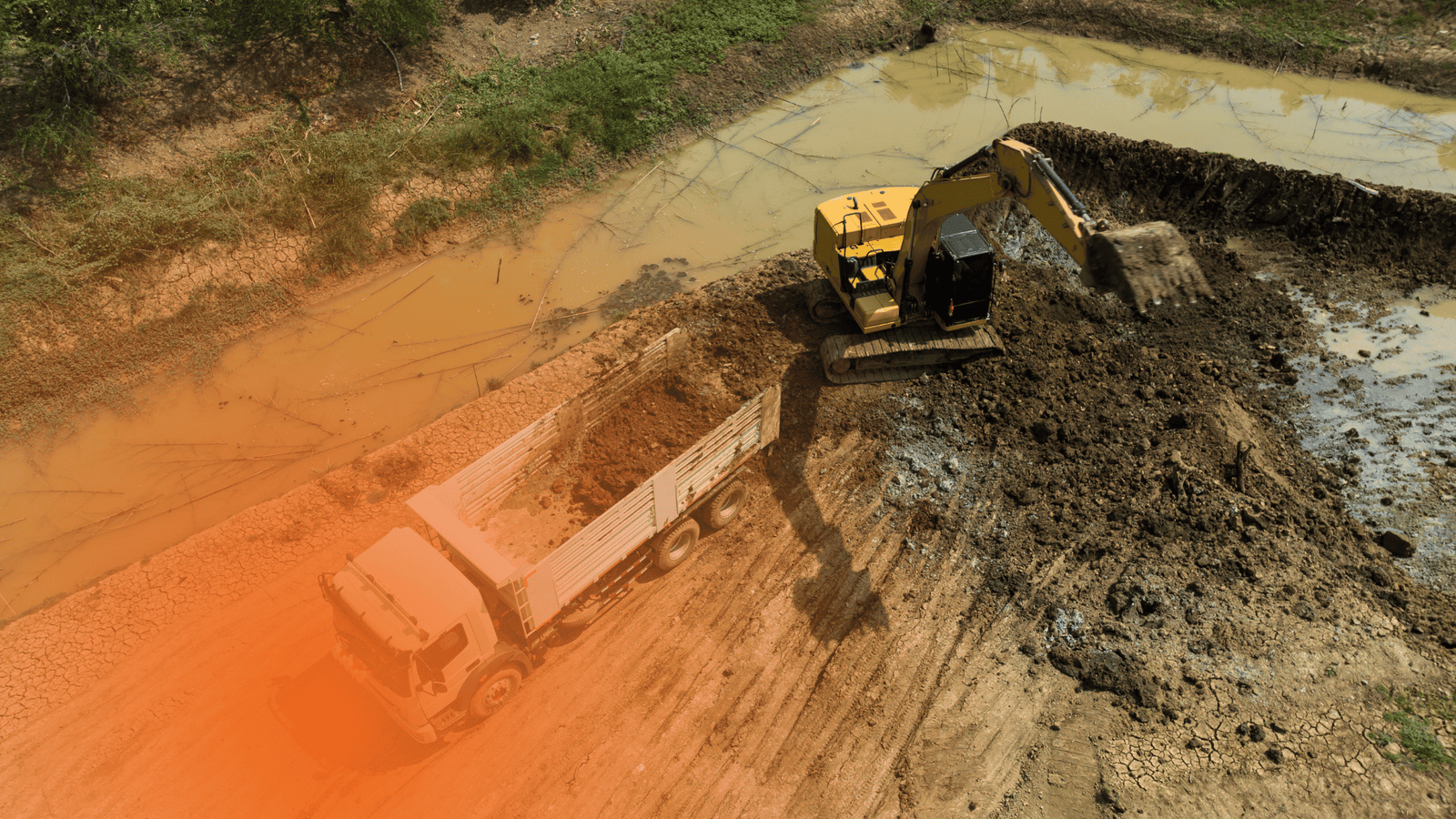
Dredging involves excavating either naturally deposited sediments or artficially depoited debris such as rocks, bottom sediments, construction debris, refuse, and plant or animal matter on the bottom of either shallow seawater or freshwater. Dredging procedures can also apply to very specific uses, especially for industrial functions and environmental aid/ Dredging has several unique purposes that apply too many industries, including:

Dredging is an important step in waterway maintenance. By removing the accumulated debris, dredging can restore the waterway to its original depth and condition. Dredging also removes dead vegetation, pollutants and trash that have gathered in these areas.

Many ports are building new waterways with dredging to reach new trade centers and improve the efficiency of transporting goods. Dredging ensures cargo vessels of all sizes can dock and do not run aground.

As sediment builds up on the bottom of the waterway, it reduces the depth of the water. Dredging strips away the accumulated debris, which can restore the water body to its original depth and reduce the risk of flooding.

Ponds and lagoons contain stagnant water, so they often can become mucky and have a foul odor. By using dredging, one can remove the accumulated sediment that has caused this making for a healthier body of water.

Tailor -made solutions to all your construction and civil enginnering works.